
Why Am I Stiff After Sitting? Causes, Remedies & When to Get Help

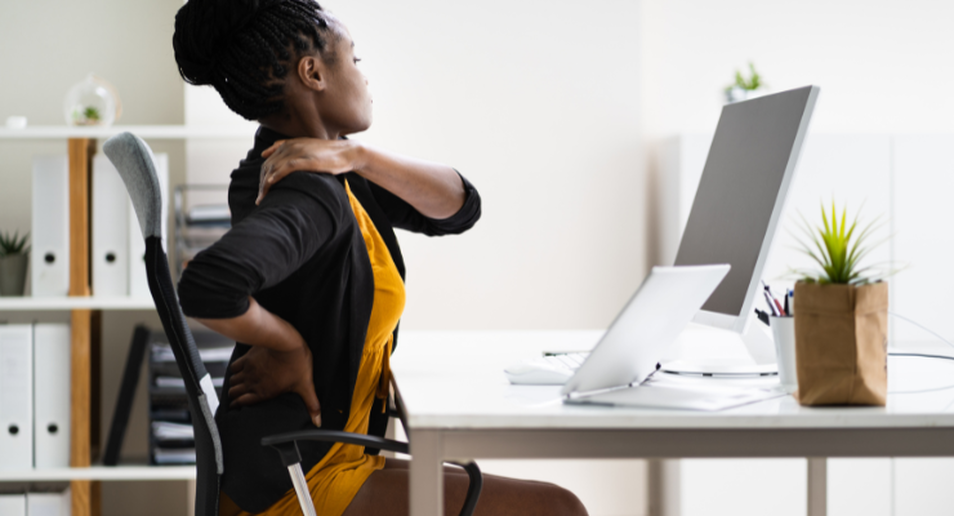
Why Am I Stiff After Sitting?
You sit down at your desk, in your car, or on the couch. Maybe you spend an hour—or several hours—in the same position. Then you stand up and notice that your hips, back, knees, or legs feel stiff and tight.
Sometimes you may even need a few steps before you feel like you're moving normally again.
So, why are you stiff after sitting?
In many cases, prolonged sitting reduces movement through your joints and muscles and allows your body to remain in the same position for an extended period. But persistent stiffness can also be related to muscle weakness, mobility restrictions, previous injuries, arthritis, or other musculoskeletal problems.
The important thing is not simply to ask how to make the stiffness go away.
Instead, ask:
“What is causing me to become stiff in the first place?”
At Doylestown Sports Medicine Center, we believe in treating the underlying cause—not simply masking the symptoms.
What Causes Stiffness After Sitting?
There isn't always one single cause of stiffness. Several factors may contribute.
1. Prolonged Sitting
Your body is designed to move.
When you sit for long periods, your hips, knees, ankles, and spine remain in relatively fixed positions. Your muscles are also less active than they are when you're walking, standing, or exercising.
When you finally stand up, your body may need a little time to transition back into movement.
This can create the familiar feeling of being “stiff after sitting.”
2. Limited Mobility
If certain joints don't move well, prolonged sitting can make the restriction more noticeable.
Limited hip or ankle mobility, for example, may affect how you stand, walk, squat, or sit.
The stiffness you feel may therefore be a symptom of a broader movement limitation.
3. Muscle Weakness
Stiffness isn't always caused by muscles that are “too tight.”
Sometimes muscles feel tight because they're being asked to compensate for weakness or poor movement mechanics.
Weakness in the hips, glutes, core, or other supporting muscles can affect how your body moves and may contribute to discomfort after sitting.
4. Posture and Position
Ideal sitting posture is being inline with gravity resulting in minimal muscular effort to hold the position.
However, staying in any one position for hours can place repetitive stress on certain muscles and joints.
Slouching, leaning to one side, crossing your legs for prolonged periods, or working at an improperly adjusted desk may all contribute to how your body feels when you eventually get up.
5. Previous Injuries
A previous sports injury, surgery, strain, or joint problem can sometimes leave behind limitations in strength or mobility.
Even after the original injury has healed, those changes may influence how you move.
6. Arthritis and Other Joint Conditions
For some people, stiffness is associated with changes inside a joint.
Osteoarthritis and other musculoskeletal conditions can cause stiffness that becomes particularly noticeable after periods of inactivity.
If your stiffness is persistent, worsening, or accompanied by significant pain or swelling, an evaluation can help determine what's going on.
Why Am I Stiff When I Stand Up After Sitting?
One of the most common complaints is:
“I feel fine while I'm sitting, but when I stand up, everything feels stiff.”
This can happen because your body has been stationary.
The transition from sitting to standing requires coordinated movement from your hips, knees, ankles, spine, and supporting muscles. If an area is restricted, weak, irritated, or not moving efficiently, that transition may expose the problem.
Pay attention to what happens next.
Does the stiffness improve after you walk for a few minutes?
Does it remain throughout the day?
Is there pain, numbness, weakness, or swelling?
These details can help identify whether the problem is primarily related to prolonged inactivity or whether there may be another underlying issue.
How Can I Reduce Stiffness After Sitting?
Fortunately, there are several simple strategies that may help.
1. Move More Frequently
You don't have to wait until your body feels stiff to move.
If you're sitting at work, try getting up periodically throughout the day.
Take a short walk. Stand while making a phone call. Change positions. Walk to get a drink of water.
These small periods of movement can add up.
Try the “movement break” approach:
Every 30–60 minutes, spend a few minutes changing positions and moving.
You don't need an elaborate workout. Just set a timer to remind you to move.
The goal is simply to avoid staying stationary for hours at a time.
2. Work on Mobility
Gentle mobility exercises can help maintain comfortable movement.
Depending on your individual needs, useful areas to address may include:
Hips
Hamstrings
Hip flexors
Ankles
Lower back
Thoracic spine
Shoulders and neck
Mobility exercises should generally be controlled and comfortable.
If an exercise consistently causes pain, stop and have the problem evaluated rather than forcing the movement.
3. Don't Forget Strength
If you are constantly stretching because you feel “tight,” but the stiffness keeps coming back, consider whether weakness may be part of the problem.
A well-rounded program may include strengthening for the:
Glutes
Core
Hip muscles
Legs
Upper back
The objective isn't simply to make individual muscles stronger.
It's to improve how your body moves and supports itself.
4. Break Up Long Car Rides
Long periods of sitting in the car can be especially challenging because you're often confined to one position.
On longer trips, consider stopping periodically to get out, walk around, and move your hips, legs, and back.
If you're regularly experiencing significant pain or stiffness while driving, it may also be worth evaluating your seating position and vehicle ergonomics.
5. Warm Up Before Exercise
If you've spent most of the day sitting, don't go directly from your desk to an intense workout.
Give your body a chance to warm up.
A few minutes of walking, dynamic mobility, or gradually increasing the intensity of your activity can help prepare your muscles and joints for exercise.
Treat the Cause—Not Just the Symptoms
This is one of the most important concepts when dealing with recurring stiffness.
A heating pad may make you feel better.
Stretching may make you feel better.
Massage may make you feel better.
Medication may reduce discomfort.
And sometimes these approaches are appropriate.
But feeling better temporarily doesn't necessarily tell you why the stiffness keeps coming back.
For example, if your back becomes stiff after sitting every day, repeatedly stretching your back may provide temporary relief. But what if the underlying contributor is limited hip mobility, inadequate core strength, poor movement mechanics, or another musculoskeletal issue?
The answer isn't always “stretch more.”
The better question is:
What is contributing to the stiffness?
At Doylestown Sports Medicine Center, our approach focuses on evaluating the entire movement system rather than simply treating the location where you feel discomfort.
Depending on your individual situation, that may include assessing:
Joint mobility
Muscle strength
Flexibility
Movement patterns
Balance and coordination
Previous injuries
Work and exercise habits
Daily activity levels
Once contributing factors are identified, treatment can be directed toward the problem rather than simply providing temporary symptom relief.
When Should I See a Sports Medicine Professional for Stiffness?
Occasional stiffness after sitting isn't necessarily a cause for concern.
However, consider having your stiffness evaluated if it:
Happens frequently
Is getting worse
Doesn't improve with movement
Limits your normal activities
Interferes with exercise
Is accompanied by significant pain
Causes noticeable loss of mobility
Developed after an injury
Is associated with weakness, numbness, or swelling
An evaluation can help determine whether you're dealing with a simple mobility issue or something that requires additional treatment.
Frequently Asked Questions About Stiffness After Sitting
Why do I feel stiff after sitting for a long time?
Prolonged sitting keeps your joints and muscles in relatively fixed positions and reduces normal movement. This can make stiffness more noticeable when you stand up. Persistent stiffness, however, may also be related to mobility restrictions, muscle weakness, previous injuries, arthritis, or other musculoskeletal conditions.
Why are my hips stiff after sitting?
Your hips remain flexed while you're sitting. Spending long periods in that position may make existing limitations in hip mobility or muscle function more noticeable when you stand. Regular movement, mobility exercises, and appropriate strengthening may help.
Why is my lower back stiff after sitting?
Lower-back stiffness after sitting can have several possible causes, including prolonged inactivity, limited hip mobility, muscle weakness, posture, previous injuries, or other spinal and musculoskeletal conditions. An evaluation can help determine which factors may be contributing to your symptoms.
Is it normal to be stiff after sitting?
Occasional stiffness after sitting for a long time can be common. However, frequent or persistent stiffness shouldn't automatically be considered normal. If stiffness is worsening, painful, limiting your activities, or accompanied by other symptoms, consider having it evaluated.
Does stretching help stiffness after sitting?
Stretching may help some people, but it isn't always the answer. If stiffness is related to weakness, joint mobility, movement mechanics, or another underlying issue, stretching alone may provide only temporary relief.
How often should I get up from sitting?
A practical goal is to avoid sitting uninterrupted for long periods. Try changing positions or getting up to move every 30–60 minutes. Even short movement breaks can help reduce the amount of time you spend completely stationary.
Can exercise help with stiffness?
Yes. Regular physical activity can help maintain strength, mobility, coordination, and overall function. The best exercise program depends on the individual, especially if stiffness is persistent or associated with pain.
When should I see a doctor or sports medicine specialist for stiffness?
If stiffness is persistent, worsening, painful, limiting your activity, or associated with symptoms such as weakness, numbness, swelling, or an injury, professional evaluation is appropriate.
Stop Chasing the Stiffness. Find the Cause.
If you regularly find yourself saying, “Why am I so stiff after sitting?”, your body may be giving you useful information.
The answer isn't necessarily more stretching.
It may be a combination of mobility, strength, movement habits, activity level, previous injury, or another underlying musculoskeletal issue.
The goal is to identify the factors contributing to your stiffness and create a plan that helps you move better—not simply feel better for a few hours.
Looking for Sports Medicine Care in Doylestown, PA?
If stiffness is affecting your ability to work, exercise, play sports, or enjoy everyday activities,
Doylestown Sports Medicine Center can help you get to the bottom of it.
Our team can evaluate your symptoms, identify potential contributing factors, and develop an individualized treatment approach focused on improving your movement and function.
Don't just treat the stiffness. Find out why it's happening.
Contact Doylestown Sports Medicine Center to schedule an evaluation in Doylestown, PA, and take the next step toward moving more comfortably and confidently.

Comments