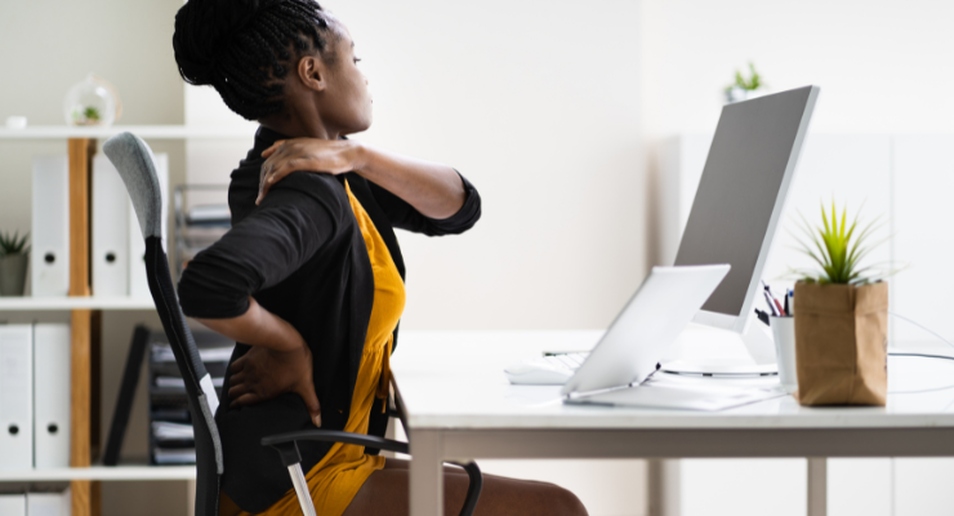
Why Am I Stiff After Sitting? Causes, Remedies & When to Get Help
You sit down at your desk, in your car, or on the couch. Maybe you spend an hour—or several hours—in the same position. Then you stand up and notice that your hips, back, knees, or legs feel stiff and tight.
You sit down at your desk, in your car, or on the couch. Maybe you spend an hour—or several hours—in the same position. Then you stand up and notice that your hips, back, knees, or legs feel stiff and tight.
You're out for a walk when you notice it. Pop. Maybe it's a click, a snap, or a subtle sensation deep in the front or side of your hip. Sometimes you can hear it. Other times, you can only feel it. For some people, it happens every few steps. For others, it only occurs after sitting for a while or during the first few minutes of a walk. If you've ever asked yourself, "Why does my hip pop when I walk?", you're certainly not alone. It's a common experience, and while it can be
How Do I Know If I'm Ready to Start Running Again? Whether you've taken a break due to an injury, surgery, a busy schedule, or simply life getting in the way, returning to running can be both exciting and challenging. For many runners, one question comes up before that first run back: How do I know if I'm ready to start running again? It's a reasonable question. Most people don't want to lose progress, but they also don't want to rush back too quickly and find themselves deal
Your neck feels stiff, maybe a little restricted, and there’s that urge to move it until you hear or feel a “crack.” It’s a feeling most people recognize right away.
It’s a strange feeling... Your back doesn’t exactly hurt… but it doesn’t feel normal either.
Maybe it feels stiff when you stand up. Maybe it takes a few steps before things “loosen up.”
Shoulder pain that shows up when you lie down can be frustrating; especially when it disrupts your sleep. Many people notice shoulder pain at night even when daytime activities feel manageable.
Hearing or feeling a clicking in your neck can be unsettling, especially if it happens often. Many people in Doylestown and Bucks County experience this sensation during daily activities like...
If you’re dealing with back pain at night, there are several practical steps you can take to sleep more comfortably. Small changes in your sleep setup and routine can make a big difference.
Stress is not just a feeling. It is a whole-body response that changes how your brain and tissues process discomfort. If your shoulders climb toward your ears during a busy week or your low back tightens by day’s end, you have already seen how closely stress and pain travel together.
Eight hours at a desk might not seem physically demanding, but your spine would beg to differ. Over time, the daily grind of meetings, emails, and spreadsheets can wear on your back, neck, and shoulders in ways you don’t always notice- until the stiffness sets in or the headaches creep up.
Have you ever noticed your joints feel stiffer or more painful when it’s cold or rainy? For many people, that’s not just coincidence. Weather-related joint pain is a real and frustrating issue for those dealing with arthritis, inflammation, or previous injuries. It can make even simple tasks more difficult during certain seasons.
In this blog, we'll unpack helpful tips and expert advice to hopefully help you ease your shoulder pain and have a more active and comfortable end of summer and fall.
If you’ve ever dealt with radiating pain, tingling, or numbness in your limbs, you know how disruptive nerve-related symptoms can be. While most people associate nerve issues with pinched nerves or spinal disc problems, there’s one area of the body that plays a huge role in nerve protection that often gets overlooked: your core.
Neck pain that starts the moment you wake up is more common than you might think. For many people, the day begins with stiffness, limited motion, or even sharp discomfort through the neck and shoulders. While this may seem like a harmless annoyance at first, consistent morning neck pain can signal a deeper issue with how your body is positioned during rest.
Surgery isn’t the only answer to knee pain. At Doylestown Sports Medicine Center, we help patients recover through personalized, non-surgical knee pain treatment that targets the root cause—improving movement, strength, and long-term joint health without invasive procedures.
Surgery is often seen as the definitive solution for many musculoskeletal injuries or conditions, but what if there’s another way to ensure the best possible outcome? Physical therapy before surgery may not always be the first thing that comes to mind, but it can significantly impact your recovery and the results of the surgery itself.